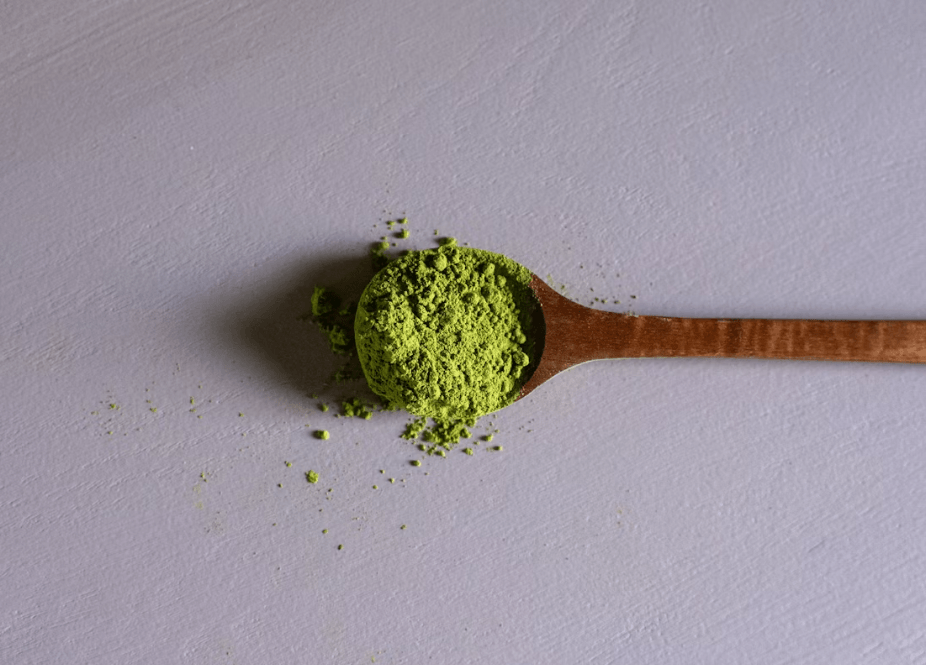
Matcha lattes can be found in nearly every café across Australia. However, there are different grades of matcha available – from good to bad and back. Among others, there is one type that deserves its title – ceremonial grade matcha.
Ceremonial-grade matcha has long been used for traditional tea ceremony in Japan. This grade of green tea represents an extremely high level of quality in terms of cultivation, harvest, and production. It is crucial for a tea drinker to know more about the origin of their favorite beverage in order to purchase only the best matcha latte.
Ceremonial vs Culinary Grade Matcha
The main difference between ceremonial grade matcha and any other variety lies in its consumption form. As the name suggests, it is made to be drunk independently, i.e., whisked in hot water alone. Ceremonial grade matcha is supposed to be absolutely pure and taste sweet, mild, and delicate.
In its turn, culinary grade matcha is designed to be mixed with milk, sugar, or even used in baking. The taste of this matcha variety is quite strong and slightly bitter. Though, it should be noted that culinary grade is a perfect choice for culinary experiments.
How Is Ceremonial Grade Matcha Made
Importance of the Region
Like wine, matcha significantly depends on the region where the tea plants grow. Japan boasts several matcha-producing areas which boast optimal climate conditions. For example, Nishio and Uji (Kyoto) have a unique composition of soil, fog in the morning, and specific changes in temperature which result in the most delicious tea leaves.
Shade-Grown Process
Three to four weeks prior to the harvest, the tea plants are covered with bamboo mats or special cloths. Being deprived of sunlight, the plants begin to produce more chlorophyll and L-theanine amino acid which provide matcha its distinctive bright green colour and taste.
Precise and Delicate Harvesting
As far as harvesting is concerned, it should be done timely. The best ceremonial matcha comes from the “first flush” which means the initial harvest of the year. The tea leaves harvested in such a way have the largest amount of nutrients and unique tastes. What’s more, the leaves should be harvested manually – only young leaves located at the upper part of the plant are selected.
Traditional Processing Methods
After the leaves have been harvested, they should be steamed immediately. This way, oxidation is inhibited which keeps the leaves fresh and green. Then, the leaves undergo drying and sorting process. Later, the veins and stems are separated and only leaf tissues, so-called tencha, remain. Tencha is further processed by being ground using stone mills which ensures low temperatures during grinding. Such a process requires one hour for thirty grams of the final product.
Colour, Smell, and Taste
The best matcha should be identified using several criteria. For example, authentic tea must possess the brightest colour. The less saturated its colour is, the lower quality the tea will have. The smell of matcha must be refreshing. As far as the taste is concerned, the tea must possess a smooth and slightly creamy texture with umami flavour.
See also: Why My Autistic Daughter Talked More With an App Than With Me
Enjoy High-Quality Matcha Latte Every Day
By choosing ceremonial grade matcha, you can make your tea ritual more interesting. By paying attention to the details mentioned above, you guarantee yourself superior taste.
The next time you go to a café to order matcha latte or try purchasing some high-quality tea, pay attention to colours and origins. Enjoy the history and unique features of matcha!