A wedding guest book is one of those details that may seem small during the planning process, but often becomes deeply meaningful after the celebration. Long after the flowers have faded and the music has stopped, the guest book remains as a collection of names, memories and heartfelt messages from the people who shared the day with the couple.
Today, couples have more choices than ever. Some prefer a traditional wedding guest book with elegant pages and handwritten wishes, while others choose modern alternatives with photos, creative layouts or interactive elements. Both options have their own charm, and the best choice depends on the style of the wedding, the personality of the couple and the type of memories they want to preserve.
A traditional wedding guest book is timeless. It usually features a classic book format, where guests write their names, wishes and short messages. This style works especially well for elegant, formal or romantic weddings. It is simple, familiar and easy for guests of all ages to use. There is no need for instructions or technology — guests simply open the book and leave their words.
One of the biggest advantages of a traditional guest book is its lasting quality. A beautifully designed book can be stored safely and revisited for many years. It feels personal and intimate because every message is written by hand. The handwriting, tone and choice of words all add emotional value. Even a short wish can feel powerful years later, especially when it comes from someone close to the couple.
Traditional guest books also suit couples who appreciate simplicity. They do not require extra equipment, complicated setup or much supervision during the wedding. A table, a few pens and a visible location are usually enough. For many couples, this is exactly what makes the classic guest book so appealing — it is elegant, practical and meaningful without needing to be overly elaborate.
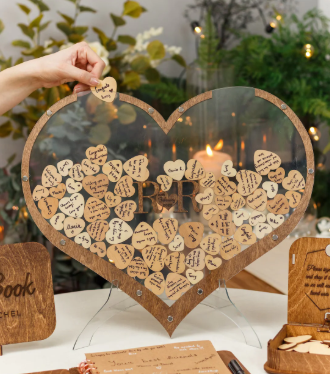
Modern wedding guest books, on the other hand, offer more room for creativity. They are often designed to be interactive and visually memorable. Popular modern options include Polaroid guest books, where guests take an instant photo and write a message next to it, or guest books with prompts that help people write more personal notes. Some couples even choose audio guest books, digital message boards or alternative formats such as wooden signs, postcards or framed prints.
The main strength of a modern guest book is that it can feel more personal and entertaining for guests. Instead of simply signing a page, guests become part of an activity. This can be especially useful at relaxed, informal or contemporary weddings, where the couple wants to create a fun and memorable experience. A photo-based guest book, for example, captures both the message and the guest’s appearance on the day, making the final result more vivid.
Modern guest books also allow couples to match the idea more closely with their wedding theme. A rustic wedding might include wooden cards or a memory box. A minimalist wedding might use clean, modern pages with simple prompts. A destination wedding might feature postcards or travel-inspired notes. This flexibility helps the guest book become part of the overall atmosphere rather than just an accessory placed on a table.
However, modern options can require more planning. If instant photos are involved, the couple must prepare a camera, film, tape or photo corners. If a digital solution is used, guests may need instructions. Audio or video guest books can be memorable, but they also depend on technology working smoothly. For this reason, modern guest books are often best suited for couples who enjoy creative details and are willing to plan the setup properly.
When choosing between traditional and modern wedding guest books, couples should think about their guests as well. If many guests are older or prefer simple, familiar formats, a classic book may be easier and more effective. If the guest list is younger or the wedding has a more playful atmosphere, a modern format may encourage more interaction and create a stronger impression.
The wedding style also matters. A traditional guest book often complements formal venues, classic decorations and elegant celebrations. A modern guest book may fit better with outdoor weddings, boho themes, creative receptions or less formal parties. Still, there are no strict rules. A traditional book can be used in a modern wedding, and a creative guest book can work beautifully in a classic setting if it is presented tastefully.
Another important factor is what the couple wants to keep after the wedding. Those who love handwritten words may prefer a traditional book filled with messages. Those who value visual memories may enjoy a Polaroid-style book or another photo-based option. Couples who want something to display at home might choose a framed alternative, while those who enjoy nostalgia may appreciate a classic keepsake that can be opened on anniversaries.
In many cases, the best solution is a combination of both styles. A modern guest book can still have a traditional book format, but include space for photos, prompts or decorative elements. This gives guests structure while still allowing creativity. It also helps the couple create a keepsake that feels both timeless and personal.
No matter which style is chosen, the most important thing is how the guest book is presented during the wedding. It should be placed in a visible and inviting area, with enough pens and clear instructions if needed. If guests do not notice it, even the most beautiful guest book may remain half-empty. A small sign, flowers, candles or a dedicated table can make the guest book feel like an important part of the celebration.
In the end, both traditional and modern wedding guest books serve the same purpose: they preserve the voices, wishes and presence of the people who celebrated with the couple. The traditional version offers elegance, simplicity and timeless emotional value. The modern version adds creativity, interaction and a more personalised experience.
The right choice is not about following trends, but about choosing the format that feels most natural to the couple. Whether it is a classic book filled with handwritten wishes or a creative guest book full of photos and memories, its true value will grow with time. Years later, it will not be remembered only as a wedding detail, but as a meaningful reminder of the people, emotions and love that surrounded one unforgettable day.