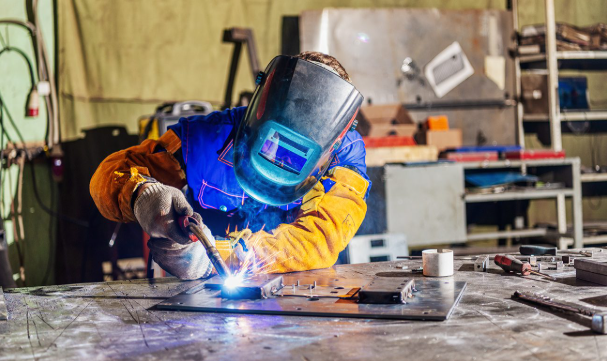
Welding is used across industries ranging from chemical processing and energy production to manufacturing, construction, and specialized engineering. The quality of a welded joint depends on many factors, including base-metal composition, welding method, joint design, operator skill, and filler material.
For applications involving nickel-based alloys, selecting an appropriate welding wire is especially important. These materials are often used where resistance to heat, corrosion, or demanding operating environments is required.
Why Filler Material Matters
Welding wire becomes part of the finished joint, so its characteristics can influence the strength, corrosion behavior, and durability of the connection.
The filler should be compatible with the base material and the intended service environment.
Using an unsuitable wire can create problems such as cracking, poor corrosion resistance, or inadequate mechanical performance.
Engineers should therefore review material specifications before beginning a welding project.
Understanding Nickel-Based Materials
Nickel and nickel alloys are used in demanding environments because many grades provide excellent resistance to corrosion and elevated temperatures.
They may be found in chemical equipment, power-generation systems, marine applications, heat exchangers, and specialized industrial machinery.
However, different nickel alloys have different compositions and performance characteristics.
The welding procedure should therefore be matched to the specific alloy being joined.
See also: Education Savings Insurance: Planning for Your Child’s Future
Choosing a Suitable Welding Wire
When comparing nickel welding wire manufacturers buyers should evaluate more than product availability.
Important factors include:
- Alloy composition
- Diameter
- Welding process compatibility
- Mechanical properties
- Corrosion resistance
- Quality-control procedures
- Certification and documentation
- Production consistency
Technical documentation can help engineers determine whether a wire is appropriate for the intended application.
Welding Process Compatibility
Different welding processes use different forms and specifications of filler material.
Gas metal arc welding, gas tungsten arc welding, and other processes may require specific wire or rod characteristics.
The welding procedure should identify suitable filler materials and operating parameters.
Professionals should follow established welding standards and the recommendations of the equipment and material manufacturers.
Storage and Handling
Welding wire should be stored appropriately to prevent contamination and deterioration.
Moisture, dirt, oils, and improper handling can affect welding performance. Clean storage areas and controlled handling procedures can help maintain material quality.
For critical applications, traceability can also be important. Keeping material identification and batch information available makes quality management easier.
Quality Assurance
Industrial welding projects may require inspection at several stages.
Material certificates, visual inspection, dimensional checks, and non-destructive testing may be used depending on the application.
Quality assurance should begin before welding rather than only after the joint has been completed.
Supplier Evaluation
A reliable supplier should provide consistent material quality and clear technical information.
Buyers may evaluate manufacturing capability, quality systems, available alloy grades, documentation, delivery reliability, and technical support.
A long-term supplier relationship can be valuable when specialized materials are required repeatedly.
FAQs
Why is welding wire selection important?
The filler material becomes part of the welded joint and can influence its mechanical and corrosion performance.
Are all nickel alloys welded the same way?
No. Welding procedures and filler materials vary depending on the specific alloy and application.
What should buyers check when selecting a supplier?
They should review alloy specifications, quality systems, documentation, production consistency, and technical support.
Conclusion
High-quality welding begins with appropriate material selection. For nickel-based applications, filler wire must be matched carefully to the base alloy, welding process, and service environment.
By evaluating technical specifications, quality systems, handling practices, and supplier reliability, manufacturers can support stronger and more dependable welded assemblies.